
Nuclear verdicts are becoming increasingly common, and they’re reshaping the environment...

A waiver of subrogation is the kind of contract clause most people don’t think twice about. It’s signed early, often with little discussion, so work can move forward. No red flags. No immediate impact. Just another box checked.
But a waiver of subrogation is far from neutral. It determines who absorbs the cost of a workers’ compensation claim when more than one party is involved. That responsibility is set long before any claim exists – and can shape how workers’ compensation losses stay attached to your business, influencing cost, flexibility and leverage long after the job is complete.
Those ripple effects are exactly why business owners need to understand what a waiver of subrogation actually changes.
When you see how these clauses work, how they influence workers’ compensation outcomes and how they shape risk over time, waivers stop being background paperwork. They become intentional decisions – evaluated in the context of the job, the exposure and broader risk picture of the business.
Waiver of Subrogation Meaning: What This Clause Actually Does
At its simplest, a waiver of subrogation affects what your insurance company can do after a loss.
In jobs without a waiver, if your workers’ compensation insurer pays a claim and another contractor or vendor caused the injury, the insurer can pursue that party for reimbursement. When recovery is successful, some of the claim cost may be removed from your record instead of staying with your business.
When you agree to a waiver of subrogation, that recovery option is removed upfront. In the same scenario, the claim is still paid – but there’s no path to recover those costs, even when another party is at fault. The full claim amount stays on your account, shaping how the claim appears in your workers’ compensation data long after the job is complete.
That’s the waiver of subrogation meaning in practice. It isn’t just contract language – it’s a decision about who shoulders the financial burden when something goes wrong.
How Waivers of Subrogation Show Up in Workers’ Compensation Claims
Sure, waivers of subrogation influence workers’ compensation claims, but why does that matter? The answer lies in how those claims are tracked over time.
Workers’ compensation claims don’t disappear after an injury heals or a project wraps up. They stay on your record and continue to shape how insurers view your business long after the work is complete.
Because a waiver of subrogation prevents recovery, a greater share of the claim cost remains tied to your business. As those costs accumulate, they influence how your policy is priced, how much flexibility you have at renewal and how closely carriers evaluate your risk. Even a small number of unrecovered claims can begin to change those conversations.
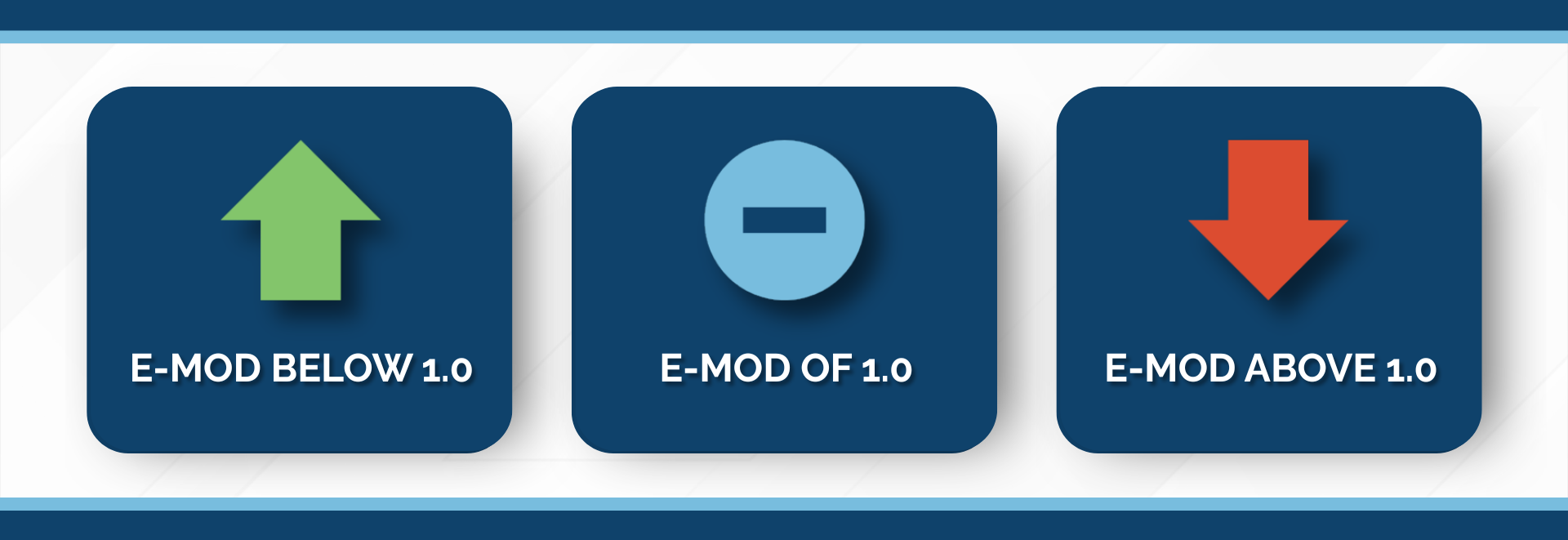
That same claim history can also increase your Experience Modification Rate (E-MOD). Many general contractors, project owners and partners use this number when deciding who qualifies to bid or participate on certain projects. So, what starts as a single waiver of subrogation decision can ultimately affect your cost structure, competitive positioning and access to future work.
Taken together, these outcomes explain why waivers of subrogation deserve careful consideration.
Learn more about workers’ compensation premiums and strategies to reduce them.
How to Decide If a Waiver of Subrogation Is the Right Decision for the Job
At this point, the question isn’t whether waivers of subrogation matter. It’s how to decide when they’re worth accepting.
A waiver isn’t automatically a bad move – sometimes, it’s the right choice to keep a project moving forward. The key is understanding what you’re gaining in exchange for the added workers’ compensation exposure and whether that trade-off aligns with the job in front of you and the position of the business overall.
A waiver of subrogation may make sense when:
- The scope of work is narrow and well defined
- Your role on the job doesn’t materially increase injury exposure
- The contractual or business upside clearly outweighs the potential workers’ comp impact
- The waiver is limited to a specific project rather than repeated across multiple higher-risk jobs
When you take the time to evaluate those details, a waiver of subrogation stops being a default and becomes a deliberate decision. That intention helps protect both the immediate project and the long-term health of the business.
Move Beyond Reactive Risk: Build a Strategy That Protects Every Decision
A waiver of subrogation may look like a small detail – but it reflects something much larger.
It’s a clear example of how risk decisions are made in real life: quickly, quietly and often without the full picture. One checkbox in a contract. One choice that locks in claim cost. One decision that can shape how your business is viewed, priced and qualified for years to come.
That’s why Ellerbrock-Norris exists.
Through ENCORE, our Comprehensive Ongoing Risk Evaluation, we look across the key areas where risk shows up – including areas like contracts, safety, compliance and strategy – to understand how those pieces interact. Instead of treating each decision in isolation, we focus on how risk accumulates and where alignment is needed.
But we don’t stop at observation. We work with leadership teams to strengthen the systems behind those decisions, so risk is managed intentionally – not by default. That means helping businesses connect everyday choices to long-term outcomes, reduce surprises and create consistency across how risk is owned and managed.
That’s the power of a proactive risk strategy. You’re not waiting for a claim, a contract issue or a missed opportunity to reveal the gaps in your approach. You’re building clarity and resilience before those decisions are tested.
Ready to build a risk strategy that strengthens every decision? Let’s talk.